

Carbon Powder Molding Solutions
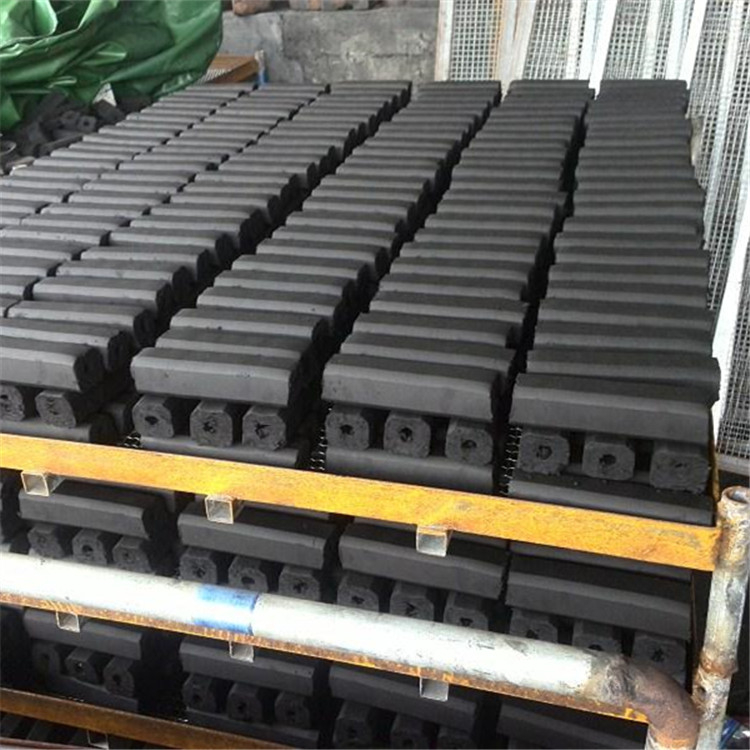
Raw Material Type: Charcoal fragments, charcoal heads, substandard charcoal, lignite
Design Capacity: Configured according to customer requirements
Equipment: Charcoal Crusher, Roller Mill Mixer, Charcoal Powder Molding Machine, Pellet Press, Hydraulic Molding Machine, Stamping Molding Machine
Introduction
Charcoal fines, charcoal powder, and lignite powder are common raw material forms in charcoal production and usage. Through charcoal powder molding equipment, they can be reprocessed into high-density fuel, achieving resource recycling. Depending on different product requirements, the primary molding methods are as follows:
Charcoal Sticks: Employing punch presses or hydraulic molding machines, raw materials are compressed under high pressure in a single step to produce high-strength, durable stick-shaped fuel suitable for industrial and residential heating.
Charcoal Pellets: Utilizing the double-roll extrusion process of pellet presses, materials are compressed into uniform spherical particles. These pellets feature consistent size, ease of packaging and transportation, and are commonly used as fuel for barbecues and food service applications.
Charcoal blocks: After pre-treatment using hydraulic forming machines or roller mills, the material is compressed into blocks. These blocks feature uniform shapes and high density, making them suitable as premium barbecue charcoal or industrial-grade charcoal.
Manto, as a professional supplier of charcoal production solutions, can provide each customer with a complete set of charcoal production equipment and comprehensive technical support.
Carbon Powder Molding Production Process

The charcoal powder briquetting process involves reprocessing waste charcoal dust, lignite powder, and other raw materials into high-density fuel briquettes. It primarily consists of the following three stages:
Stage 1: Raw Material Crushing
Large chunks of crushed charcoal, charcoal heads, and defective products are fed into a charcoal crusher and ground into fine, uniform powder to ensure subsequent compaction density.
Stage 2: Mixing and Blending
Charcoal powder and an appropriate amount of binder are fed into a roller mixer. Through rolling and stirring, the materials are thoroughly blended to enhance plasticity and bulk density.
Stage 3: Pressing and Forming
The uniformly mixed material enters the charcoal rod forming equipment. Through continuous screw extrusion, rods are produced efficiently, making this method suitable for large-scale manufacturing.
Production Process for Spherical Carbon

The briquetting process involves the complete transformation of various powdered materials into spherical pellets through high-pressure roller compaction. It primarily consists of the following three stages:
Stage 1: Raw Material Crushing
Large chunks of raw materials such as crushed coal, coal heads, and defective products are fed into a crusher and ground to the required fineness (typically below 5mm) to facilitate subsequent compaction.
Stage 2: Mixing and Blendin
Carbon powder and an appropriate amount of binder (added based on product requirements) are fed into a roller mill mixer. Through rolling and stirring, the materials are thoroughly blended to enhance plasticity and bulk density.
Stage 3: Roller Compaction
The material passes between two counter-rotating, synchronized rollers. As the spherical cavities on the roller surfaces progressively close, pressure increases dramatically, instantly compressing the material into uniform spherical pellets under high pressure.
Hydraulic Forming Production Process
Hydraulic forming is a production process that utilizes the immense pressure generated by a hydraulic system to compact powdered materials into finished shapes within a die in a single operation. It primarily consists of the following three stages:
Stage 1: Raw Material Crushing
Large chunks of raw materials such as crushed coal, coal heads, and defective products are fed into a crusher and ground to the required fineness (typically below 5mm) to facilitate subsequent compaction.
Stage 2: Mixing and Blendin
Carbon powder and an appropriate amount of binder (added based on product requirements) are fed into a roller mill mixer. Through rolling and stirring, the materials are thoroughly blended to enhance plasticity and bulk density.
Stage 3: Hydraulic Compaction
Activate the hydraulic system. The main cylinder drives the ram downward into the mold cavity, applying immense pressure to the material (adjustable based on product density requirements). Under high pressure, material particles undergo plastic deformation and bond tightly. After holding pressure for a set duration, a high-density carbon block is formed.Upon completion of compaction, the ram retracts. The ejector cylinder pushes the formed carbon block out of the mold cavity, where it is conveyed by a conveyor to the next process. The entire operation can be controlled manually or via PLC for fully automated cyclic operation.
Stamping Production Process
The stamping forming process is an intermittent production method that utilizes a crankshaft connecting rod to drive a punch, subjecting materials within the die cavity to high-frequency impact and compression. It primarily consists of the following three stages:
Stage 1: Raw Material Crushing
Large chunks of raw materials such as crushed coal, coal heads, and defective products are fed into a crusher and ground to the required fineness (typically below 5mm) to facilitate subsequent compaction.
Stage 2: Mixing and Blendin
Carbon powder and an appropriate amount of binder (added based on product requirements) are fed into a roller mill mixer. Through rolling and stirring, the materials are thoroughly blended to enhance plasticity and bulk density.
Stage 3: Press Forming
Driven by the crankshaft connecting rod, the punch rapidly descends, applying immense instantaneous impact force and holding pressure to the material within the mold cavity. Under high pressure, the material particles undergo plastic deformation and bond tightly, forming high-density carbon blocks or carbon rods. After punching is completed, the punch retracts. The ejection mechanism pushes the formed product out of the mold cavity, where it is conveyed by a conveyor belt to the next process. This entire process cycles continuously, enabling continuous production.
Recommended Machines

Enquiry
If you wish to submit a formal inquiry, please complete the following form.
Note: Fields marked with * are required.