

Wood Carbonization Solutions
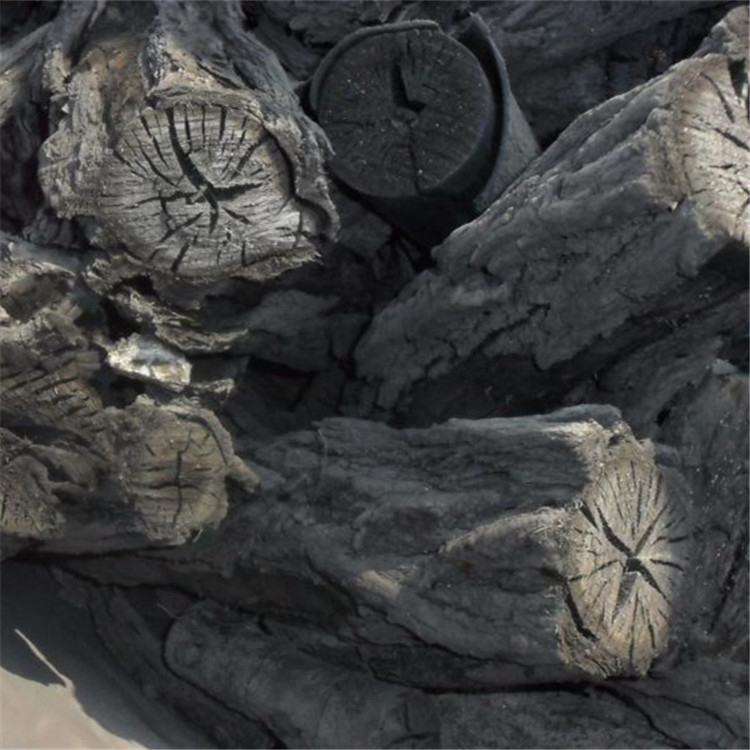
Raw Material Type: Log, bamboo, coconut shell
Design Capacity: Configured according to customer requirements
Equipment: Horizontal carbonization furnace, Vertical carbonization furnace
Introduction
Charcoal produced by carbonizing natural materials such as logs, bamboo, and coconut shells possesses distinct advantages based on the characteristics of its raw materials:
Log Charcoal: Made from whole logs of hardwood or fruit trees through dry distillation carbonization. The finished product retains the wood’s original grain, burns with intense heat, smolders long without smoke, and some fruitwood charcoal emits a natural fragrance, making it the preferred choice for premium barbecue charcoal.
Bamboo Charcoal: Produced by carbonizing bamboo at high temperatures. Bamboo charcoal features a dense structure, large specific surface area, and strong adsorption capacity. It serves not only as a premium fuel but also finds extensive applications in air purification, water filtration, humidity control, and home wellness.
Coconut Shell Charcoal: Made from coconut shells through high-temperature carbonization and activation. Characterized by high hardness, low ash content, and highly developed porosity, it serves as an excellent raw material for activated carbon production. Widely applied in drinking water purification, gold extraction, air purification, and industrial decolorization processes.
Manto, as a professional supplier of charcoal production solutions, can provide each customer with a complete set of charcoal production equipment and comprehensive technical support.
Wood Carbonization Production Process

Carbonization of logs, bamboo, and coconut shells is typically performed using dry distillation carbonization furnaces (such as horizontal or vertical dry distillation furnaces). This process achieves pyrolysis of materials in a sealed, oxygen-deprived environment while simultaneously recovering by-products. Though the process varies slightly depending on the raw material form, the core steps are as follows:
Stage 1: Raw Material Pretreatment
Logs: Cut to a length suitable for the furnace chamber (typically 0.5-1 meter).
Bamboo: Cut to a length suitable for the furnace chamber (typically 0.5-1 meter). Depending on diameter, split into sections to facilitate even heating.
Coconut shells: Crush into appropriately sized chunks.
Stage 2: Sealing in the Furnace
Neatly stack or hoist the prepared raw materials into the carbonization furnace. Immediately seal the furnace door to ensure complete isolation from external oxygen.
Stage 3: High-Temperature Pyrolysis Carbonization
External Heating: Ignite the external combustion chamber (fuel options include coal, firewood, natural gas, biomass pellets, or flue gas generated by the raw materials themselves) to indirectly heat the furnace.
Pyrolysis Process: Furnace temperature gradually increases (typically controlled between 350°C-600°C). Under oxygen-deprived conditions, raw materials thermally decompose, sequentially releasing water vapor → wood vinegar → wood tar → combustible gases.
Byproduct Recovery: The pyrolysis furnace incorporates a condensation recovery system that cools and separates the exhaust gases to obtain wood vinegar and wood tar. The remaining combustible gases are recirculated back to the combustion chamber to aid combustion, achieving energy recycling.
Stage 4: Cooling and Charcoal Removal
After carbonization completes, heating ceases. The furnace temperature is allowed to decrease naturally or through forced circulation cooling. Once the charcoal temperature drops below the safety threshold (typically below 50°C), the furnace door is opened, and the carbonized product is removed.
Recommended Machines

Enquiry
If you wish to submit a formal inquiry, please complete the following form.
Note: Fields marked with * are required.